
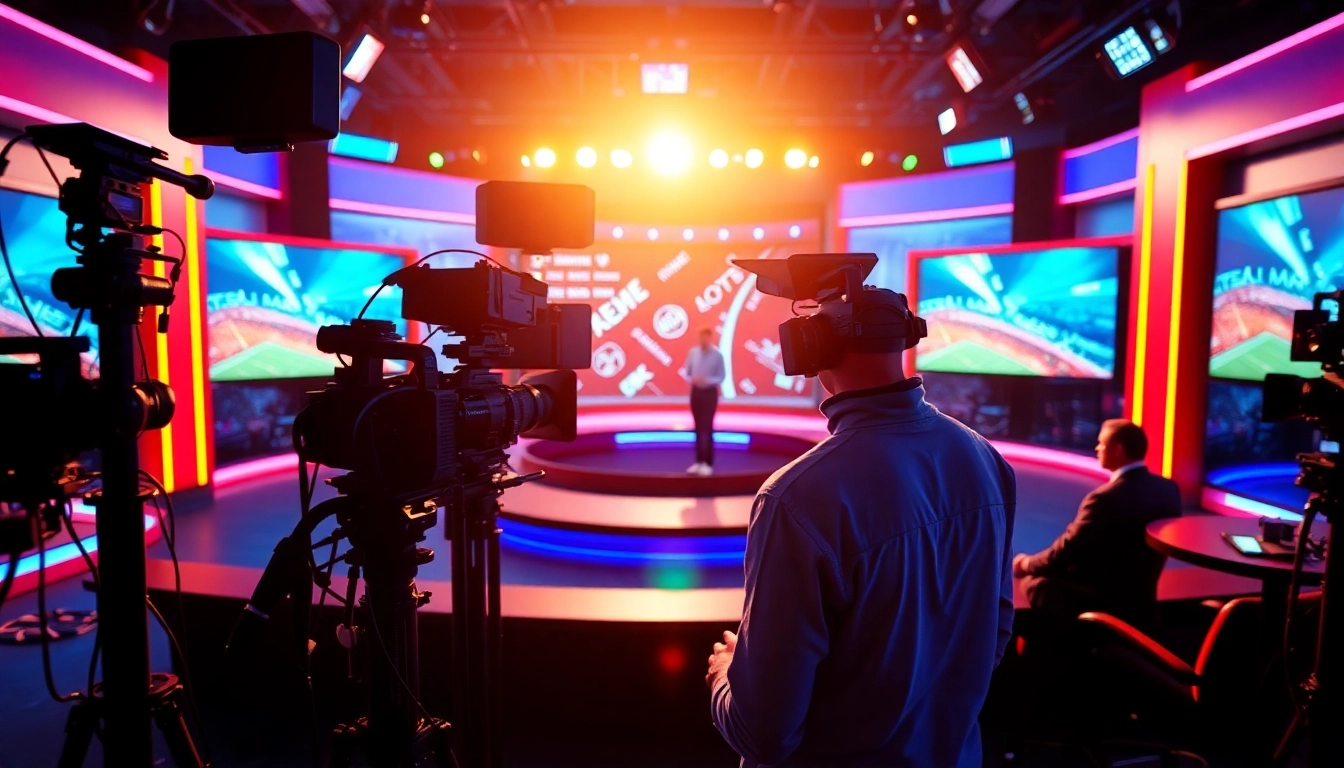
Understanding Sports Broadcasting Fundamentals
The Essence of Sports Broadcasting
Sports broadcasting serves as the medium that connects fans with their favorite sporting events, creating a shared experience that transcends geographical boundaries. At its core, this field of communication involves the live transmission of sporting events through various platforms such as television, radio, and online streaming services. The objective is not just to inform but also to entertain and engage audiences, providing them with real-time coverage, analysis, and commentary that enhance the viewing experience. The importance of Sports Broadcasting cannot be overstated, as it plays a crucial role in promoting sports, generating revenue for leagues, and shaping the culture around athletic events.
Key Roles in Sports Broadcasting
The sports broadcasting team consists of various professionals, each performing vital roles that contribute to the success of broadcasts:
- Commentators: These are the voices that narrate the game, providing live analysis, insights, and emotional context to the unfolding events.
- Producers: They oversee the production process, ensuring everything runs smoothly from camera work to audio, graphics, and more, ultimately crafting a cohesive viewing experience.
- Camera Operators: These individuals capture the action, deciding on angles and shots that best convey the excitement and drama of the events.
- Graphic Designers: They create on-screen graphics such as scores, player stats, and visual storytelling elements that enrich the viewing experience.
- Directors: They coordinate all the moving parts of a sports broadcast, making real-time decisions about what to show and when.
The Equipment Behind the Scenes
Successful sports broadcasting relies on advanced technology and equipment. This includes high-definition cameras, sound equipment, and broadcasting software. Each piece of technology plays a pivotal role:
- Cameras: Used to capture every aspect of the game, from player movements to crowd reactions.
- Microphones: Essential for capturing ambient sounds and commentators' voices, creating an immersive experience for viewers.
- Switchers and Mixers: Allow different camera feeds and audio sources to be combined and adjusted for the broadcast.
- Graphic Display Tools: Facilitate the integration of visual data, ensuring viewers receive up-to-date and accurate information.
Trends Shaping the Sports Broadcasting Landscape
Emerging Technologies in Sports Broadcasting
As technology continues to evolve, the sports broadcasting landscape is experiencing significant changes. Key innovations include:
- Augmented Reality (AR): Enhances the viewer experience by adding digital content to the real-world broadcast.
- Virtual Reality (VR): Offers an immersive experience, allowing fans to view games from new perspectives.
- Artificial Intelligence (AI): Plays a role in analyzing game data and even generating highlights automatically.
- 5G Technology: Facilitates faster streaming and reduced latency, making live broadcasts more seamless.
Changing Consumer Preferences and Habits
The way fans consume sports broadcasts has shifted dramatically over the years. With the rise of streaming services and on-demand content, viewers now prefer to watch games on their own schedules.
This shift has led broadcasters to adapt their strategies, with many partnering with digital platforms to reach broader audiences. The increased use of mobile devices and social media also plays a crucial role in delivering content and engaging fans directly.
How Social Media Influences Sports Broadcasting
Social media has revolutionized the way sports broadcasting is approached. Platforms like Twitter, Facebook, and Instagram offer real-time interaction between fans, commentators, and athletes:
- Fan Engagement: Broadcasters now engage audiences through polls, live chats, and behind-the-scenes content.
- Instant Updates: Teams and broadcasters provide quick updates and highlights, keeping fans informed and engaged.
- User-Generated Content: Fans share their reactions and commentary on social media, further enriching the viewing experience.
Strategies for Effective Sports Broadcasting
Crafting Engaging Sports Stories
To captivate audiences, sports broadcasters must focus on storytelling. Here are key strategies:
- Build Narratives: Create compelling storylines around teams, players, and games that resonate with viewers.
- Highlight Emotions: Capture the emotional highs and lows of sports events, allowing fans to connect deeply with the action.
- Utilize Technology: Employ graphics, replays, and AR to enhance storytelling and provide deeper insights.
Effective Use of Graphics and Statistics
Graphics and statistics are essential tools in sports broadcasting that help communicate key information clearly and engagingly. Utilizing charts, player statistics, and replays helps broadcasters inform the viewers while enhancing enjoyment.
It's crucial to present these elements in a visually appealing manner that complements the narrative without overwhelming viewers with numbers.
Best Practices for Live Broadcasting
When broadcasting live, several best practices ensure a smooth and engaging viewing experience:
- Plan Ahead: Pre-event preparation is essential, including scripting key moments and gathering necessary background information.
- Stay Flexible: Live events are unpredictable; broadcasters must adapt to sudden changes, whether it's a player injury or unexpected game outcomes.
- Communicate Clearly: Clear, concise communication among team members is vital to prevent confusion and maintain a seamless flow.
Challenges in the Sports Broadcasting Industry
Navigating Copyright Issues
One of the biggest challenges in sports broadcasting is navigating the complex landscape of copyright laws. Broadcasters must ensure they have the right permissions to use footage, logos, and other proprietary content. This requires diligent negotiation and legal considerations, particularly with multiple stakeholders involved.
Handling On-air Mistakes
Errors can occur during live broadcasts, whether it’s a slip of the tongue, a technical malfunction, or a wrong graphic. Broadcasters must address these mistakes promptly and professionally, often providing clarification or an apology to maintain trust with their audience.
Audience Engagement Challenges
Keeping audiences engaged can be challenging in a saturated sports media market. This requires an understanding of audience demographics and preferences, alongside an innovative approach to content that resonates personally with viewers. Solutions may include interactive elements, tailored content, and engaging formats that break the mold.
Measuring Success in Sports Broadcasting
Key Performance Indicators (KPIs) to Track
Measuring the effectiveness of sports broadcasts is essential for guiding future strategies. Important KPIs include:
- Viewership Numbers: Tracking how many people are tuning in helps gauge interest and reach.
- Engagement Rates: Metrics such as social media shares and comments are crucial in evaluating audience interaction.
- Retention Rates: Understanding how long viewers stay tuned can provide insights into content effectiveness and audience preferences.
The Role of Fan Feedback
Feedback from fans is a vital component for continuous improvement in sports broadcasting. Surveys, social media interactions, and direct feedback can reveal areas of strength and aspects that require enhancement. Listening to the audience fosters a stronger community and builds loyalty.
Adapting Strategies for Growth
Lastly, sports broadcasters must be prepared to adapt and evolve their strategies in response to changing market conditions, audience preferences, and technological advancements. This agility allows for sustained growth and relevance in the fast-paced broadcasting industry.
Frequently Asked Questions
What is the primary role of commentators in sports broadcasting?
Commentators narrate the live events, offering analysis, insights, and emotional context that enhance viewer engagement and understanding of the game.
How do emerging technologies impact sports broadcasting?
Emerging technologies such as AR, VR, and AI enhance viewer engagement, improve analytics, and streamline production processes, making broadcasts more exciting and informative.
What are the biggest challenges in sports broadcasting?
The main challenges include navigating copyright issues, handling on-air mistakes, and maintaining audience engagement in a crowded market.
How can broadcasters measure the success of a sports broadcast?
Broadcasters can track success via KPIs such as viewership numbers, engagement rates on social media, and retention rates during broadcasts to gauge effectiveness.
Why is audience engagement important in sports broadcasting?
Engaging the audience fosters a community around the broadcast, drives loyalty, and encourages viewership, which is essential for the success of sports broadcasting efforts.