
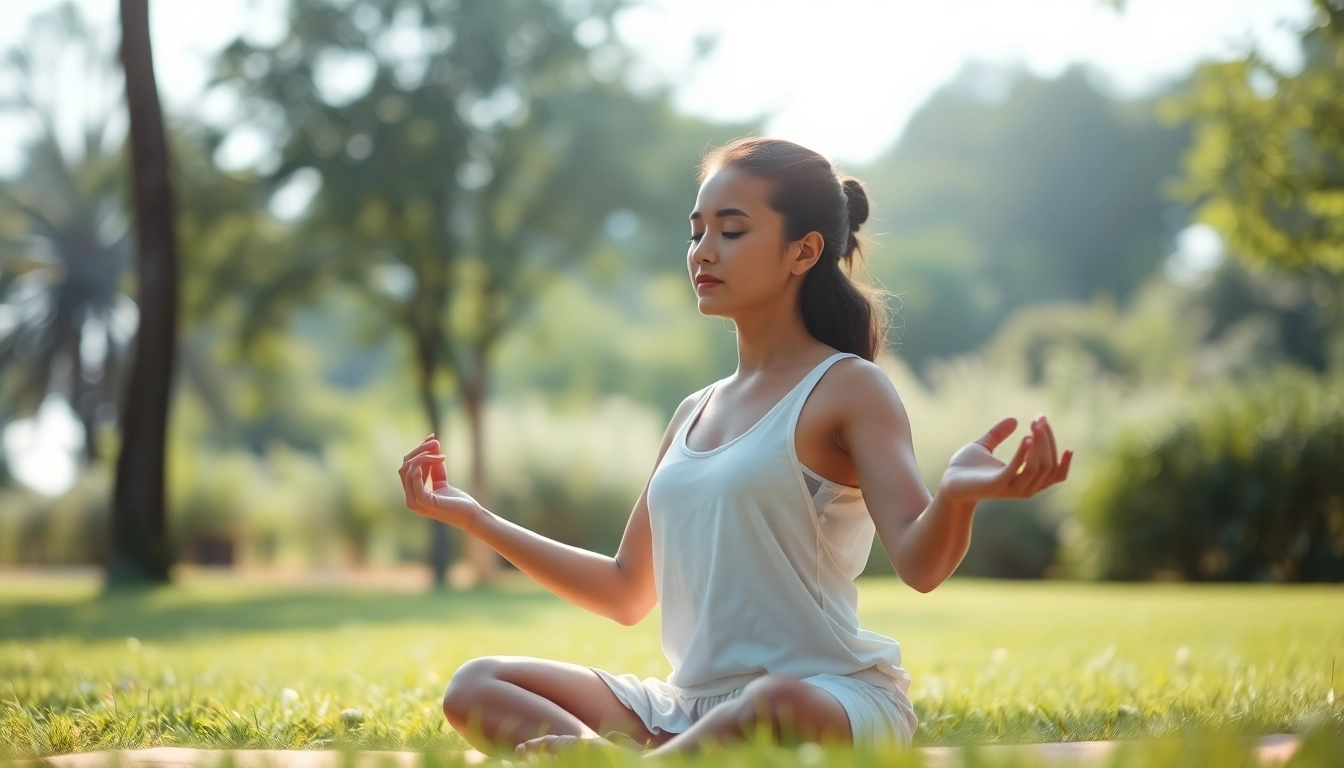
Understanding Mental Health Tips
What Are Mental Health Tips?
Mental health tips are practical strategies aimed at enhancing emotional well-being and overall mental health. These tips can vary widely, covering daily practices, coping mechanisms, and self-care activities that empower individuals to manage stress, anxiety, and other mental health concerns effectively. By incorporating these tips into daily routines, individuals can cultivate resilience and improve their quality of life. For comprehensive guidance, consider exploring various mental health tips tailored to diverse needs.
Importance of Mental Health in Daily Life
The significance of mental health cannot be overstated; it is integral to our overall well-being. Good mental health enables individuals to cope with the challenges of life, communicate effectively, work productively, and contribute to their communities. Additionally, mental health influences how we think, feel, and behave, impacting our relationships and decision-making. A positive mental state fosters resilience, adaptability, and a sense of purpose.
Common Misconceptions About Mental Health
Despite increased awareness, several misconceptions persist regarding mental health. One common myth is that mental health issues are a sign of weakness. In reality, they can affect anyone, regardless of strength or resilience. Another misconception is that mental health problems are not as serious as physical health issues. The truth is that untreated mental health conditions can lead to severe physical health repercussions and impact overall well-being. Lastly, there is a belief that people with mental health disorders are dangerous; in fact, most individuals are more likely to be victims rather than perpetrators of violence.
Daily Mental Health Tips for a Balanced Life
Morning Routines to Enhance Mental Wellbeing
Starting the day with an intentional morning routine can significantly improve mental health. Incorporating elements such as meditation, stretching, or journaling can set a positive tone for the day ahead. For example, spending a few minutes each morning practicing mindfulness helps cultivate a sense of calm and focus. Similarly, engaging in light exercise, like yoga or a brisk walk, can release endorphins, and boost mood, contributing to enhanced mental clarity.
Practicing Gratitude and Its Benefits
Practicing gratitude is a powerful mental health tip that can transform perspectives. Keeping a gratitude journal, where individuals note down things they are thankful for, can increase positivity and reduce stress. Research has shown that focusing on positive aspects of life can lead to improved emotional health, strengthened relationships, and even enhanced immune function. Developing a habit of expressing gratitude can be as simple as sending thank-you notes or sharing appreciation with friends and family.
Incorporating Exercise into Your Routine
Regular physical activity is essential for mental health. Exercise releases endorphins, which are natural mood lifters. Aim to incorporate at least 30 minutes of moderate exercise into your daily routine, whether through walking, cycling, or group fitness classes. Finding enjoyable physical activities increases the likelihood of maintaining a consistent routine. Furthermore, exercising in nature can enhance these benefits by aiding relaxation and improving mental clarity.
Mindfulness and Mental Health Tips
Understanding Mindfulness Techniques
Mindfulness involves maintaining a moment-by-moment awareness of our thoughts, feelings, and surroundings without judgment. Techniques such as mindful breathing or body scans can alleviate anxiety and promote relaxation. By dedicating a few minutes each day to mindfulness practice, individuals can learn to recognize their thoughts and emotions without becoming overwhelmed, fostering a greater sense of control over their mental state.
Breathing Exercises for Calmness
Breathing exercises are simple yet effective tools for managing stress and anxiety. Techniques like the 4-7-8 breathing method, where one inhales for four seconds, holds the breath for seven seconds, and exhales for eight seconds, can promote relaxation. Such exercises can be performed anytime, anywhere, making them an ideal addition to daily routines for immediate stress relief.
Creating a Mindful Environment
Designing a calm, organized environment can greatly influence mental health. This includes decluttering spaces, reducing noise, and adding natural elements like plants. Creating dedicated areas for mindfulness practices, such as meditation or reading, can encourage consistency in emotional self-care practices. Intentional design choices in one’s living space can create a sanctuary that supports mental well-being.
Social Connections and Mental Health Tips
The Role of Supportive Relationships
Healthy relationships play an essential role in emotional health. Social support can buffer against stress and provide individuals with a sense of belonging. Recognizing the importance of nurturing relationships with family, friends, and community members is vital. Those with strong social connections report higher satisfaction levels and better mental resilience, making it essential to prioritize these bonds.
How to Build Meaningful Connections
Building meaningful connections involves vulnerability and open communication. Attending community events, joining clubs, or engaging in social hobbies can foster connections. Moreover, making an effort to reach out to acquaintances or coworkers can help deepen relationships. By showing genuine interest and actively listening, individuals can cultivate a supportive network that enhances their emotional well-being.
Communicating Effectively for Better Support
Effective communication is crucial in maintaining supportive relationships. Expressing feelings and needs clearly helps foster understanding and connection. Utilizing “I” statements to convey emotions without placing blame can lead to productive conversations. Furthermore, being an active listener allows individuals to offer better support to others, reinforcing social bonds and promoting a healthier emotional environment.
Measuring Your Mental Health Progress
Using Journals for Tracking Wellbeing
Journaling offers an excellent way to track mental health progress over time. Individuals can document their feelings, thoughts, and experiences to spot patterns and triggers. Additionally, reflecting on personal growth promotes mindfulness and helps identify coping strategies that have been effective. A structured journaling approach can make it easier to visualize progress and set future goals.
Setting Realistic Mental Health Goals
Setting achievable mental health goals can guide individuals in their journey toward wellness. Goals should be specific, measurable, attainable, relevant, and time-bound (SMART). For example, instead of setting a vague goal like “be happier,” a person might aim to practice mindfulness for 10 minutes a day for a month. This clarity allows for focused effort and a sense of accomplishment as milestones are met.
Seeking Professional Help When Necessary
Recognizing when to seek professional help is essential for maintaining good mental health. Therapists, counselors, and psychiatrists can provide invaluable support for managing mental illness, navigating difficult emotions, or dealing with life transitions. If feelings of sadness, anxiety, or distress persist, reaching out to a professional can prove beneficial. Individuals should remember that seeking help is a brave and proactive step toward wellness.
Frequently Asked Questions
What are some easy mental health tips to implement?
Start with simple practices like daily gratitude journaling, regular exercise, and setting time for mindfulness or meditation. Small incremental changes can have a significant impact.
How can I support a friend struggling with mental health issues?
Be a good listener, express support without judgment, and encourage them to seek professional help if needed. Your empathy can make a substantial difference.
Are mindfulness techniques effective for everyone?
While mindfulness can benefit many, its effectiveness may vary. It’s essential to find techniques that resonate personally, whether through guided sessions or independent practice.
How do I know if I need professional help for my mental health?
If struggling with persistent feelings of sadness, anxiety, or distress that interfere with everyday life, it may be time to seek professional support. It’s always okay to reach out.
Can exercise really help improve mental health?
Yes, regular exercise releases endorphins that improve mood and reduce stress. Physical activity is a proven method for enhancing overall mental well-being.